What Should You Expect After Laser Resurfacing in Southlake, Texas?
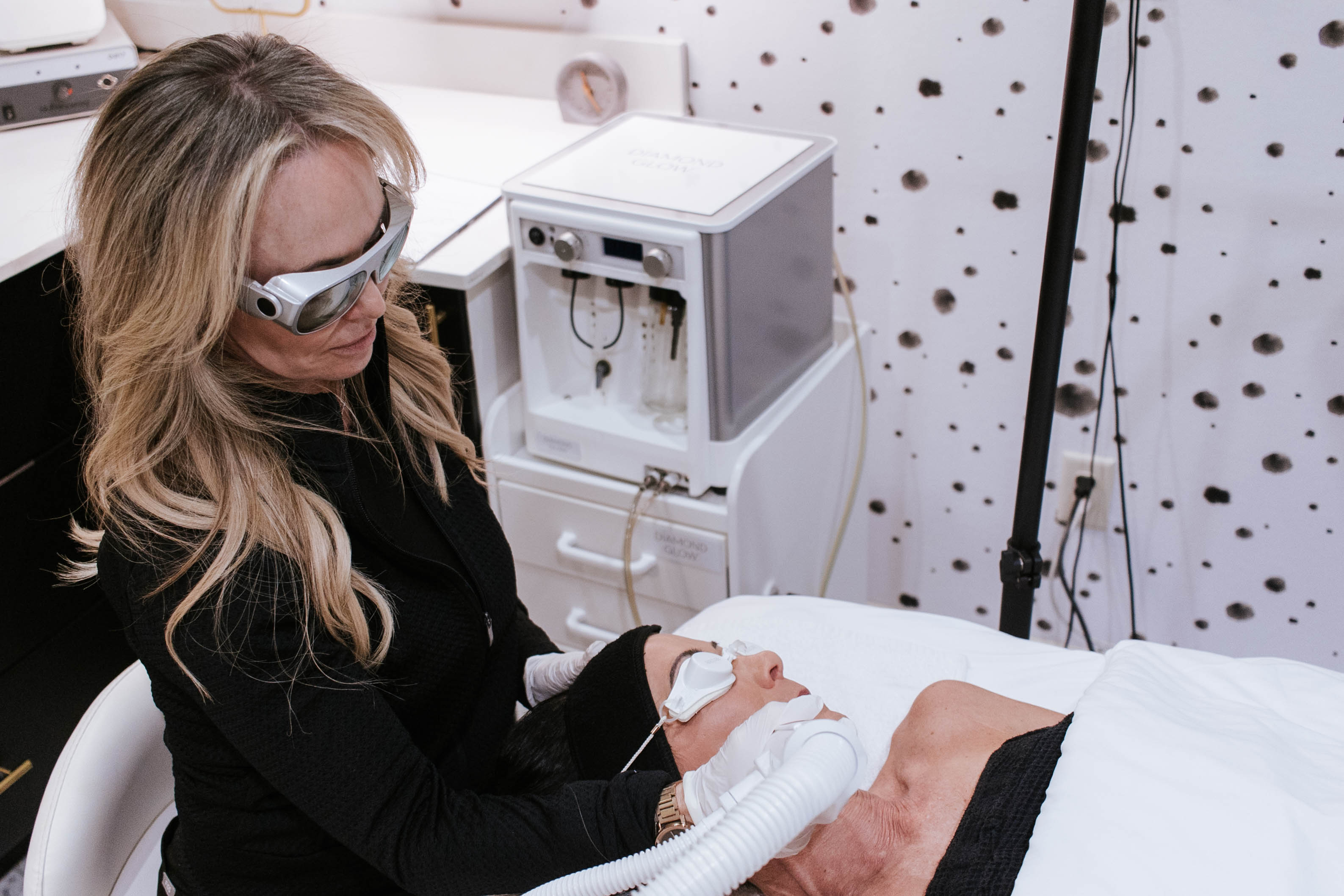
Laser resurfacing has a reputation for being intense, and while it is true this treatment does more than a quick lunchtime facial, most of the fear around it comes from not knowing what the process actually looks like day to day. If you are considering laser resurfacing, here is a straightforward, honest breakdown of recovery, so you can decide if the timeline fits your schedule and plan accordingly.
Why Laser Resurfacing Works Differently Than Other Treatments
Unlike treatments that work on the surface only, laser resurfacing creates controlled micro injury in the skin, which triggers your body's natural healing response. This process replaces damaged surface cells and stimulates new collagen underneath, which is why results tend to be more noticeable and longer lasting than lighter treatments like a standard chemical peel.
This is also exactly why the recovery process looks the way it does. Redness, peeling, and sensitivity are not side effects of something going wrong, they are signs the treatment is doing its job.
Day One: Redness and Warmth
Immediately after treatment, skin typically looks like a moderate to significant sunburn, with warmth and tightness that can last several hours. Cooling and specific post treatment products your provider recommends help manage this initial phase.
Day Two to Four: Peeling Begins
This is usually the most noticeable phase of recovery. Skin often begins to peel or flake as the old surface layer sheds, revealing fresher skin underneath. It can look more dramatic than it feels, and resisting the urge to pick or exfoliate manually is one of the most important things you can do during this window.
Day Five to Seven: Redness Fades, Texture Improves
By the end of the first week, most patients notice significantly less redness and the beginning of smoother, more even texture. Makeup can typically be reintroduced around this time if the skin barrier has fully closed, though your provider will confirm this based on your specific healing.
Weeks Two to Four: Continued Improvement
While the most visible recovery happens in the first week, collagen remodeling continues for weeks afterward. This means results often keep improving gradually, with skin looking progressively smoother, tighter, and more even in tone over the following month.
What Laser Resurfacing Treats Best
This treatment tends to be most effective for:
- Sun damage and uneven pigmentation
- Fine lines and mild to moderate wrinkles
- Textural concerns like acne scarring
- Overall skin tone and clarity
If your main concern is broken capillaries or vascular redness specifically, a different laser setting or approach may be more appropriate, which is something your provider will assess during a consultation.
Why This Treatment Is Exclusive to Our Southlake Location
Laser resurfacing requires specific equipment and a controlled treatment environment, which is why this particular service is currently offered only at our Southlake location. Patients coming from Dallas or surrounding areas are welcome to book their laser appointments in Southlake while continuing to use our Dallas location for other services.
Preparing Skin Before Treatment
Providers often recommend prepping skin for a few weeks beforehand with specific skin care products to support faster healing and more even results. Avoiding excessive sun exposure and certain active ingredients like retinoids in the days leading up to treatment also helps minimize complications.
Pairing Laser Resurfacing With Other Services
Many patients combine laser resurfacing with treatments like dermal fillers or neurotoxins once the skin has fully healed, since improved texture makes the results of volume based treatments look even more refined.
Guide updated this month to reflect current laser resurfacing protocols and recovery timelines.
Consider This Your Permission Slip to Actually Read the Aftercare Sheet
Laser resurfacing delivers real results, but only when the recovery process is respected rather than rushed. If you are ready to talk through whether this treatment fits your skin goals, schedule a consultation with our Southlake team, or learn more about our laser resurfacing services.
Frequently Asked Questions
How many days of downtime does laser resurfacing require? Most patients need about five to seven days before returning to normal activities without visible redness or peeling.
Is laser resurfacing painful? Numbing cream is used beforehand, and most patients describe the sensation as warmth or mild discomfort rather than sharp pain.
How many sessions are typically needed? This depends on your specific concerns and the intensity of treatment used, which your provider will determine during a consultation.
Can I wear makeup during recovery? Makeup is usually avoided until the skin barrier has closed, typically around five to seven days after treatment.
Learn more about our Southlake location here, or explore our full service menu.