Is a PDO Thread Lift Worth It for Aging Skin? Benefits, Limitations, and Results
PDO threads can provide modest lifting and contour improvements for selected patients experiencing early facial or neck laxity. They offer a minimally invasive alternative for people who want to address certain signs of sagging without undergoing a surgical facelift.
However, PDO threads do not reproduce the results of surgery, and they are not suitable for every degree of skin laxity.
For busy professionals, the appeal often lies in the possibility of visible improvement without a lengthy surgical recovery. Yet treatment still requires careful planning, appropriate candidacy assessment, and time for healing.
At The L.A.B. Med Spa in Southlake, Texas, PDO threads are a documented treatment for early facial and neck laxity, with applications that include cheek and jawline refinement.
What Are PDO Threads?
PDO stands for polydioxanone, a material used in absorbable medical sutures.
In aesthetic thread procedures, specialized threads are placed beneath the skin to provide support and, depending on the thread design, a mechanical lifting effect.
The presence of the threads can also stimulate a localized tissue response associated with collagen formation.
Over time, the threads are absorbed by the body.
How Do Threads Create a Lifting Effect?
Certain lifting threads have structures that engage the surrounding tissue.
When appropriately positioned, they can gently reposition selected areas and improve the appearance of early laxity.
The amount of lift is limited by tissue characteristics, facial anatomy, and the degree of sagging.
The treatment is best understood as a modest contouring option rather than a substitute for surgical repositioning.
Do PDO Threads Stimulate Collagen?
Thread placement may stimulate collagen production as part of the body's healing response.
Collagen contributes to the structural properties of the skin.
However, the extent of collagen-related improvement varies, and not every visible result can be attributed to new collagen.
Patients should avoid assuming that collagen stimulation guarantees significant tightening or permanent rejuvenation.
What Causes Facial Skin to Sag?
Facial laxity develops through several overlapping processes.
Aging changes the skin's structural proteins, underlying fat compartments, connective tissues, and skeletal support.
Sun exposure can accelerate visible skin aging, while genetics influence how these changes develop.
The lower face may gradually lose definition, creating the appearance of early jowls or a less distinct jawline.
Neck skin can also become looser over time.
Can Stress Cause Sagging Skin?
Stress does not directly explain every change in facial firmness.
However, inadequate sleep, lifestyle habits, and chronic stress may influence how refreshed the face appears.
For professionals balancing demanding schedules, changes in facial appearance may become more noticeable during periods of fatigue.
It is important to distinguish temporary tiredness from structural laxity.
PDO threads address selected structural concerns, not the underlying causes of stress or fatigue.
Which Areas Can PDO Threads Improve?
The L.A.B. Med Spa's PDO thread service identifies early facial and neck laxity, along with cheek and jawline definition, as relevant treatment applications.
Early Jowling
Mild tissue descent along the lower face can soften the jawline.
Selected patients may experience modest improvement in contour after thread placement.
More advanced jowling may require a different treatment strategy.
Cheek Contours
Changes in cheek support can influence the appearance of the midface.
PDO threads may help reposition selected tissues, depending on their condition and the patient's anatomy.
However, threads do not replace lost facial volume in the same way as dermal fillers.
Neck Laxity
Early neck laxity may be considered during a thread consultation.
Results are influenced by the amount of excess skin and the underlying tissue structure.
Significant loose skin generally cannot be corrected with threads alone.
Who Is a Good Candidate for PDO Threads?
The most appropriate candidates typically have mild to moderate concerns that can reasonably respond to a limited lifting procedure.
Patients with substantial excess skin or advanced tissue descent may be disappointed by the degree of improvement possible.
Candidacy also depends on general health, skin condition, medication use, prior procedures, and expectations.
A thorough consultation should include discussion of what the treatment cannot accomplish.
Are PDO Threads Appropriate for Younger Adults?
Chronological age alone does not determine candidacy.
A younger adult with little or no laxity may have no meaningful indication for a thread lift.
Conversely, an adult with early tissue descent may wish to explore nonsurgical options.
The decision should be based on anatomy and a specific concern, not the idea that treatment is automatically beneficial as a preventive measure.
What Happens During PDO Thread Treatment?
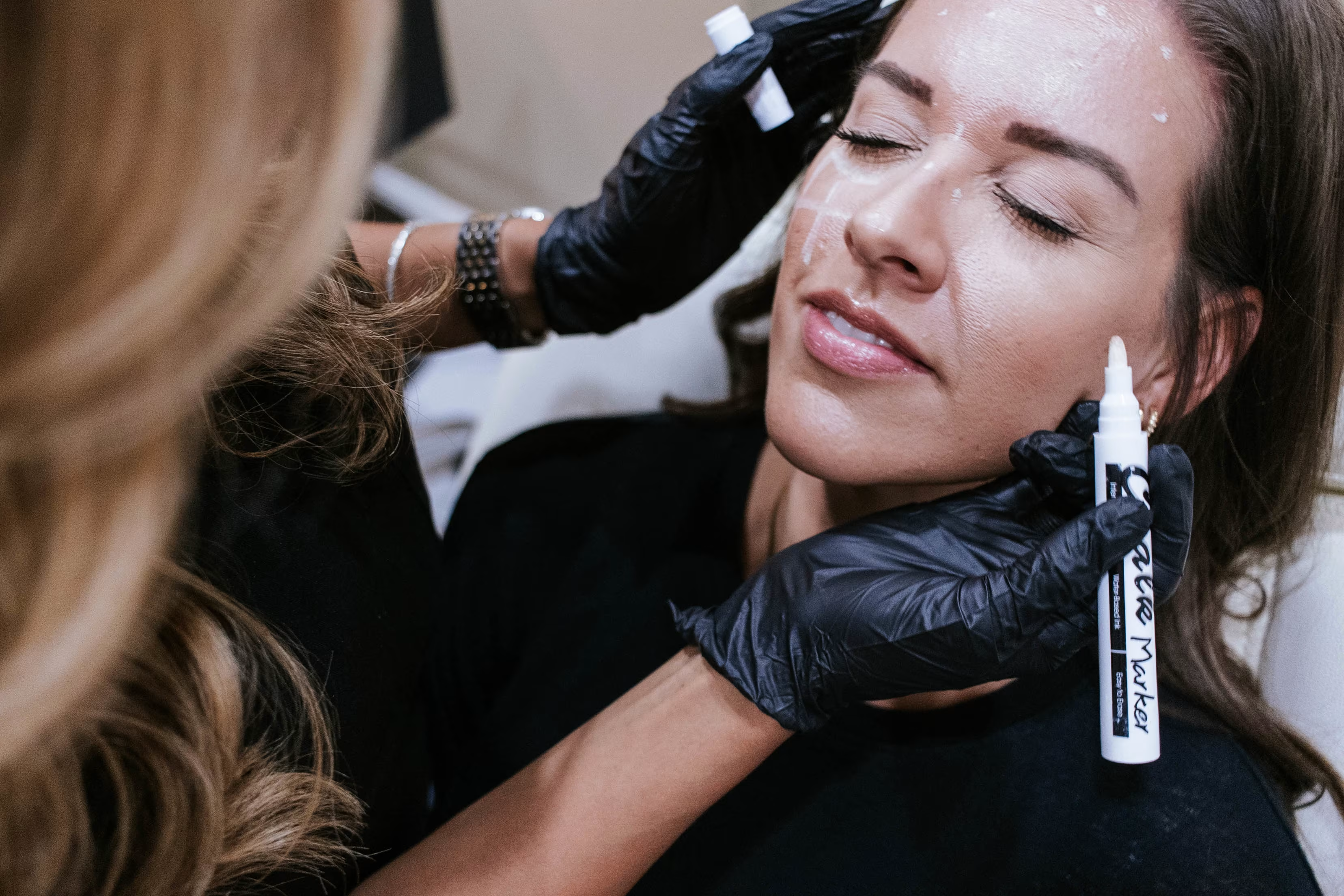
A provider evaluates the areas of concern and determines whether the desired lift is anatomically realistic.
The treatment plan identifies where threads may be positioned to support selected tissues.
Local anesthetic may be used for comfort.
Threads are inserted beneath the skin using appropriate medical instruments, and the provider adjusts their placement according to the treatment plan.
The L.A.B. describes its PDO thread procedures as typically taking approximately 45 to 60 minutes.
Actual appointment requirements may vary.
How Much Downtime Should You Expect?
Although PDO threads are minimally invasive, they are not a no-recovery procedure.
Swelling, bruising, tenderness, and temporary changes in facial movement may occur.
Some patients experience tightness or discomfort while the tissues settle.
For professionals with presentations, client meetings, or public-facing responsibilities, it is sensible to avoid scheduling treatment immediately before an important engagement.
The L.A.B.'s published aftercare guidance includes temporarily limiting strenuous exercise and minimizing facial manipulation.
Your provider's individualized instructions should take priority.
What Should You Avoid After Treatment?
Depending on the procedure, instructions may include avoiding excessive pressure on the face, certain facial movements, vigorous exercise, or activities that disturb the treated tissues.
Do not massage or manipulate the treatment area unless specifically instructed.
Contact the provider if you experience worsening pain, increasing redness, drainage, fever, visible thread exposure, or other unexpected symptoms.
Are PDO Threads Safe?
PDO thread procedures carry medical risks.
Potential complications include swelling, bruising, infection, persistent pain, visible irregularities, asymmetry, and thread extrusion.
Anesthesia-related complications are also possible.
Although many side effects are temporary, some problems require additional medical care.
Patients should receive a clear explanation of the procedure, expected limitations, alternatives, and possible complications before consenting.
How Long Do PDO Thread Results Last?
PDO thread results are temporary.
Longevity depends on the type of thread, placement, tissue condition, and individual aging patterns.
Some patients notice an initial lifting effect, while changes in tissue appearance may continue during healing.
The final appearance should not be judged solely by the immediate post-treatment result.
A consultation can establish realistic expectations about durability and whether future reassessment may be appropriate.
Frequently Asked Questions About PDO Threads
Are PDO threads the same as a facelift?
No. A surgical facelift can address tissue descent and excess skin more extensively. PDO threads offer a more limited, minimally invasive approach.
Do PDO threads hurt?
Local anesthesia and other comfort measures may be used. Some discomfort, tenderness, or tightness can occur during recovery.
Can I return to work after PDO threads?
Some patients resume routine activities relatively quickly, but swelling, bruising, and activity restrictions may affect work plans.
Can PDO threads treat severe sagging?
They are generally more appropriate for early laxity. Significant sagging may require surgical evaluation.
Do PDO threads permanently tighten skin?
No. The threads are absorbable, and the lifting effect is temporary. Natural aging continues.
A Thoughtful Alternative for Early Facial Laxity
PDO threads can be worth considering when early sagging begins to affect facial definition but surgery is not the preferred option.
The key is matching the treatment to the degree of laxity and maintaining realistic expectations.
At The L.A.B. Med Spa in Southlake, Texas, personalized consultations help determine whether PDO threads are appropriate for a patient's concerns.
Contact The L.A.B. Med Spa to explore your options for facial contour refinement.