
Halo or MOXI: Which Laser Fits Your Skin, Age, and Schedule?
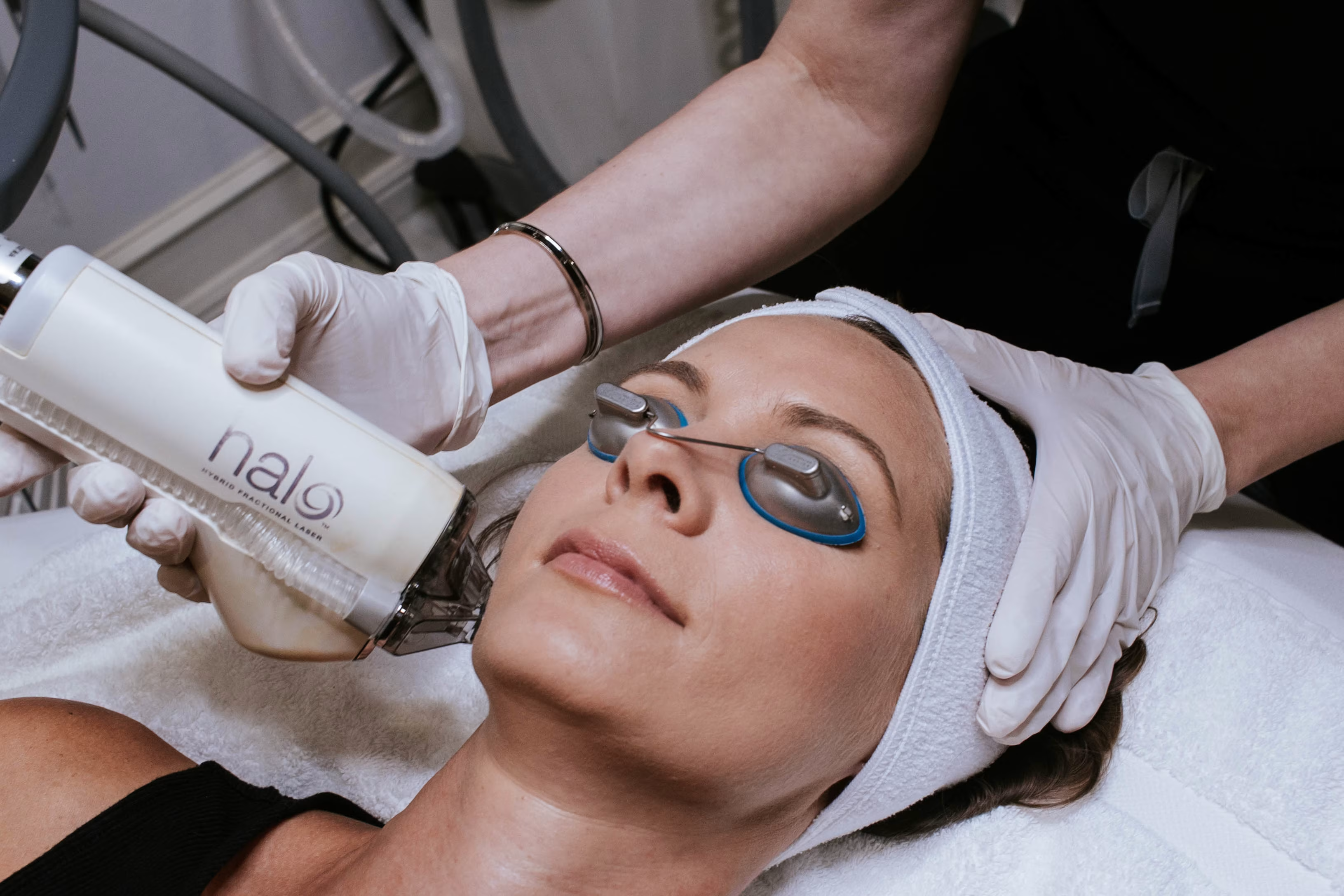
Laser treatments have a reputation for being intense, but that is not always the case. Some lasers are designed for gentle, routine skin maintenance. Others go deeper to correct more established damage. Two names come up often in conversations about modern skin resurfacing: Halo and MOXI. They come from the same family of fractional lasers, yet they serve very different goals.
Choosing between them usually comes down to three questions. What are you trying to fix? How much downtime can you realistically take? And are you trying to prevent change or correct it? At The L.A.B. med spa in Southlake, Texas, both lasers are part of how we address tone, texture, and sun damage. Here is how they compare.
What Is the Difference Between Halo and MOXI?
The main difference is depth. MOXI is a gentle, non-ablative fractional laser that refreshes the skin by creating controlled micro-injuries that stimulate natural renewal. Halo is a hybrid fractional laser that combines ablative and non-ablative energy in a single session, allowing it to treat both surface-level and deeper skin concerns.
In simple terms, MOXI is often the lighter, maintenance-friendly option, while Halo is built for more noticeable correction. Both are part of our laser resurfacing and pigment treatment options.
How MOXI works
MOXI creates tiny, controlled areas of treatment in the skin while leaving surrounding tissue intact. This encourages natural collagen production beneath the surface. It is designed to improve uneven tone and texture, reduce the appearance of sun damage and early signs of aging, and refine pores for clearer-looking skin.
How Halo works
Halo works at multiple depths at once. By combining ablative and non-ablative wavelengths, it improves discoloration, refines texture, and supports long-term skin renewal. Halo helps soften the appearance of fine lines and wrinkles by stimulating collagen at deeper levels, targets sun damage and age spots, and can improve acne scars and other textural irregularities.
Which Laser Is Better for Prevention?
MOXI is generally the better fit for prevention. It is specifically designed for what is often called prejuvenation, a preventative approach rather than total correction. MOXI is a great match for people who want to proactively care for their skin or address early signs of aging with minimal downtime.
Why MOXI appeals to Gen Z and younger adults
Many patients in their 20s and early 30s are not trying to erase deep wrinkles. They want to keep sun spots from accumulating, improve texture, and maintain a clear, even complexion. Younger adults also tend to prefer treatments that fit easily into busy social and work lives. MOXI's shorter appointment, often around 30 minutes depending on the treatment area, and its minimal downtime make it a practical starting point.
Starting early with a gentle laser is also a good moment to build healthy habits. Consistent sun protection and a thoughtful skincare routine help protect whatever results you achieve.
Which Laser Is Better for Sun Damage and Deeper Correction?
Halo is usually the better choice when sun damage, discoloration, fine lines, or textural concerns are more established. Because it treats the surface and deeper layers in one session, it can create more visible change. Many patients achieve noticeable results after one Halo treatment, although additional sessions may be recommended depending on your skin goals.
Why Halo appeals to luxury and high-end clients
Patients who want polished, visible improvement and are willing to plan for recovery often choose Halo. It is a strong option for people who have spent years in the Texas sun and want to address several concerns at once, from age spots to texture. For high-end clients, the appeal is efficiency: meaningful correction from a single, well-planned treatment, followed by a maintenance strategy that keeps skin looking refined.
How Much Downtime Should You Expect?
Downtime is one of the biggest differences between these two lasers.
MOXI downtime
Downtime is minimal. You may experience mild redness, warmth, or a sandpaper-like texture for a few days. Most patients describe the treatment as a warm, prickly sensation, and a topical numbing cream is often applied beforehand for comfort.
Halo downtime
Halo involves more recovery. Downtime varies but usually includes redness, swelling, and skin flaking for several days as the skin heals and renews. Patients typically feel heat and pressure during the procedure, which is managed with topical numbing and comfort measures. Most Halo treatments take approximately 60 to 90 minutes, including numbing time. Initial improvements may appear within a week, with continued improvement over the following weeks as collagen production increases.
Planning tips for busy professionals
If your schedule is tight, MOXI is easier to fit around meetings and events. If you choose Halo, plan treatment before a few lighter days on your calendar. Either way, avoid booking right before a major event.
Can Halo and MOXI Help With Melasma or Redness?
Both lasers are part of how The L.A.B. med spa approaches pigment concerns. Our melasma and hyperpigmentation treatments use options like Halo, MOXI, and TRL to address pigmentation at different depths. Pigment often darkens briefly before flaking or fading, with visible improvement developing over several weeks. Melasma and hyperpigmentation can return, especially if triggers like sun exposure or hormonal changes are not managed, so the approach must be carefully customized.
For redness and visible vessels, our rosacea and pigment treatments include Halo and MOXI alongside options such as BBL, ClearSilk, and Aerolase. Your provider will recommend the right device based on what is driving your concern.
Are Halo and MOXI Safe for All Skin Types?
Both can be customized, but neither should be chosen without a consultation. MOXI is described as well suited to a wide range of skin types and tones, and Halo can be customized for many skin types. Your provider will evaluate your skin type, history, and concerns before recommending either one.
Safety considerations from dermatology experts
The American Academy of Dermatology stresses that sun protection is crucial before and after laser treatment, and that a tan or sunburn can prevent treatment because using a laser could burn or discolor the skin. The AAD also recommends telling your provider if you get cold sores, have medical conditions, smoke, or take medications or supplements. Your provider may also ask you to pause retinoids or other active skincare before treatment.
How Many Sessions Will You Need?
The number of sessions depends on your goals and which laser you choose. With MOXI, you will notice some improvement after a single treatment, and multiple sessions typically give the best results. With Halo, many patients see noticeable results after one treatment. Laser resurfacing plans at The L.A.B. med spa may use 4 to 8 week intervals between sessions. Your provider will build a plan that fits your skin and schedule.
Picking Your Laser Lane
Halo and MOXI are not rivals. They are tools for different stages of skin care. MOXI is often ideal for prevention, early sun damage, and patients who want minimal downtime. Halo is built for deeper correction and visible change with a bit more recovery. Some patients may use both at different points in their skin journey.
If you are deciding between these lasers, visit The L.A.B. med spa at 1910 E State Hwy 114 in Southlake, Texas. You can book a consultation or call (817) 251-1000. You can also explore our page on sun damage, hyperpigmentation, and redness to learn how we approach tone concerns.
Frequently Asked Questions
Is MOXI or Halo better for first-time laser patients?
MOXI is often a comfortable starting point because it is gentle and involves minimal downtime. Halo may be better if you already have more established sun damage or texture concerns. A consultation will help you decide.
How long does a MOXI treatment take?
A typical MOXI treatment may take about 30 minutes, depending on your specific case and the areas being treated.
How long is Halo laser recovery?
Halo downtime varies but usually includes redness, swelling, and flaking for several days as the skin heals.
Can I get laser treatments in my 20s?
Yes, many younger adults choose MOXI for prejuvenation, which focuses on prevention rather than total correction. Your provider will recommend whether laser treatment makes sense for your skin.
Where can I get Halo or MOXI laser treatments in Southlake, Texas?
The L.A.B. med spa offers Halo and MOXI as part of our laser resurfacing and pigment treatments at our Southlake, Texas office on E State Hwy 114.