
Can Hyperpigmentation Become Permanent? What Southlake Patients Should Know Before Waiting Too Long
Last updated: July 2026
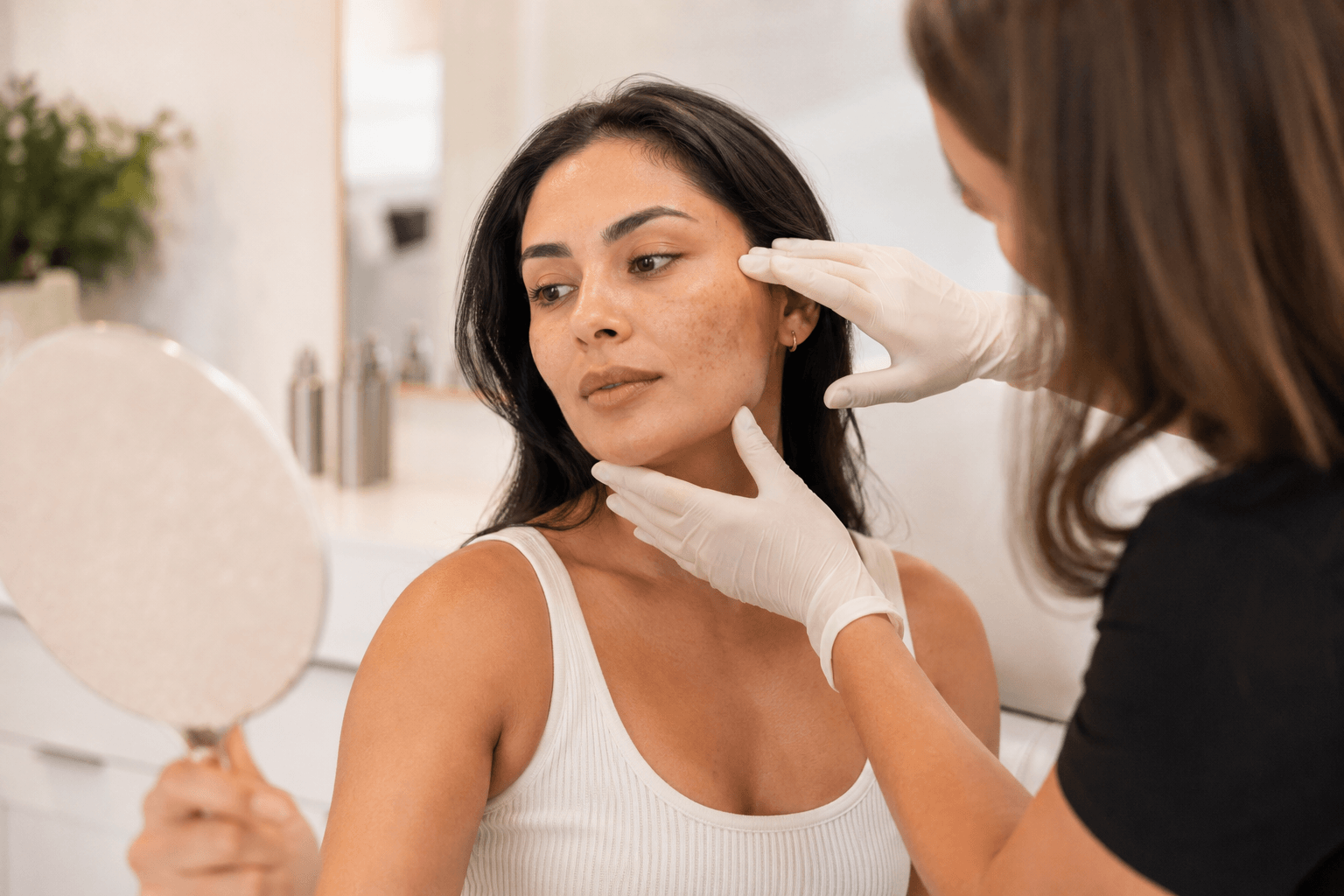
Dark spots have a frustrating way of lingering longer than expected. What starts as a small mark after a breakout or a patch of sun damage can remain visible for months or even years. Many people begin to wonder whether the discoloration has become permanent or if they simply waited too long to seek treatment.
The good news is that most cases of hyperpigmentation are treatable. The challenge is understanding what caused the pigmentation in the first place and choosing the right treatment before it becomes increasingly difficult to improve. Some forms of pigmentation respond well to topical products, while others benefit from advanced laser technology and customized treatment plans.
If you're looking for hyperpigmentation treatment in Southlake, understanding why discoloration develops, how it changes over time, and when professional care makes the biggest difference can help you achieve better results.
What Is Hyperpigmentation?
Hyperpigmentation occurs when the skin produces excess melanin, the pigment responsible for your natural skin color. This excess pigment collects in certain areas, creating patches or spots that appear darker than the surrounding skin.
Common causes include:
- Sun exposure
- Acne breakouts
- Hormonal changes
- Skin injuries
- Inflammation
- Certain medications
- Aging
Although many people use the term "dark spots" interchangeably, not all pigmentation behaves the same way. Proper diagnosis is an important first step because treatment depends on the underlying cause.
Can Hyperpigmentation Become Permanent?
Not always.
Many types of hyperpigmentation gradually fade on their own, especially if the underlying cause has resolved and the skin is protected from further UV exposure.
However, pigmentation can become increasingly stubborn when:
- Sun exposure continues without adequate protection
- Pigment settles deeper within the skin
- Inflammation repeatedly triggers new pigment production
- Treatment is delayed for several years
- Hormonal factors continue stimulating melanin production
Rather than becoming truly permanent, long-standing hyperpigmentation often becomes more resistant to treatment.
This is why early evaluation typically leads to better outcomes.
Why Does Hyperpigmentation Sometimes Last for Years?
Several factors influence how long pigmentation remains visible.
Continuous Sun Exposure
Even small amounts of UV exposure can stimulate melanin production.
Many patients believe their spots are not changing when, in reality, new sun exposure keeps reactivating pigment production before existing discoloration has time to fade.
Untreated Inflammation
Acne, eczema, irritation, and repeated skin picking can all prolong pigmentation.
The skin continues producing excess melanin while inflammation remains active.
Deeper Pigment
Some discoloration sits close to the skin's surface.
Other pigment develops much deeper, requiring professional treatments that can safely target these layers.
Incorrect Home Products
Using harsh exfoliants, aggressive scrubs, or products that irritate the skin may actually worsen pigmentation instead of improving it.
Is Hyperpigmentation Easier to Treat Than Melasma?
In many cases, yes.
While both conditions involve excess pigment, they behave differently.
Hyperpigmentation
Often results from:
- Acne
- Sun damage
- Injuries
- Inflammation
Once the trigger has stopped, treatment usually focuses on removing existing pigment while preventing new discoloration.
Melasma
Melasma is much more complex.
It is influenced by:
- Hormones
- Sunlight
- Heat
- Genetics
- Visible light
Even after successful treatment, melasma may return if ongoing triggers are not carefully managed.
This is why experienced providers typically develop customized treatment plans specifically for melasma rather than treating it like ordinary dark spots.
Which Laser Is Best for Brown Spots?
There is no universal answer because different lasers target different types of pigmentation.
Halo Hybrid Fractional Laser
Halo combines ablative and non-ablative wavelengths to improve:
- Sun damage
- Uneven pigmentation
- Skin texture
- Fine lines
- Overall skin tone
It can be an excellent option for patients seeking comprehensive skin rejuvenation alongside pigment correction.
Moxi Laser
Moxi is often chosen for:
- Early sun damage
- Mild pigmentation
- Preventive skin maintenance
- Younger patients
- Minimal downtime
Many patients appreciate that Moxi can improve overall skin clarity while fitting into busy schedules.
TRL Laser Resurfacing
TRL (Tunable Resurfacing Laser) offers deeper resurfacing for more significant skin concerns.
Depending on individual needs, it may help improve:
- More advanced sun damage
- Certain stubborn pigment concerns
- Skin texture
- Fine lines
Because TRL is a more intensive treatment, candidacy is determined through a professional consultation.
Can Laser Treatments Make Melasma Worse?
This is an excellent question because the answer depends on the patient and the treatment selected.
Some aggressive laser treatments may worsen melasma if they generate excessive heat or are used inappropriately.
That does not mean lasers should always be avoided.
Instead, successful melasma management typically requires:
- Careful patient selection
- Conservative treatment settings
- Ongoing sun protection
- Medical-grade skincare
- Long-term maintenance
An experienced provider evaluates your pigmentation carefully before recommending any laser procedure.
Why Do Dark Spots Get Worse Every Summer?
Summer creates the perfect environment for excess pigment production.
Even people who wear sunscreen consistently may notice worsening discoloration because:
- UV exposure increases
- Heat itself can stimulate pigment production
- Outdoor activities last longer
- Sweating may reduce sunscreen effectiveness
- Reapplication is often inconsistent
This explains why pigmentation frequently appears lighter during winter and darker again each summer.
Can Sunscreen Alone Fade Hyperpigmentation?
Sunscreen is essential, but it usually does not remove existing pigment.
Instead, it prevents new discoloration while helping treatment results last longer.
Daily broad-spectrum SPF should be considered the foundation of every pigmentation treatment plan because untreated sun exposure can undo months of progress.
Many dermatology professionals recommend sunscreen every day, even when it is cloudy or you spend most of your time indoors near windows.
Why Does Hyperpigmentation Return After It Fades?
Many patients become discouraged when dark spots seem to disappear, only to return later.
Several reasons may explain this:
Ongoing Sun Exposure
The original trigger remains active.
Hormonal Changes
Certain hormonal fluctuations continue stimulating pigment production.
Inadequate Maintenance
Professional treatment often works best when combined with long-term skincare and sun protection.
New Inflammation
Future acne breakouts or skin irritation can create new areas of pigmentation.
Maintenance is often just as important as the initial treatment itself.
Can Hyperpigmentation Affect Every Skin Tone?
Absolutely.
Hyperpigmentation develops across all skin tones, although it may appear differently.
People with darker complexions often produce melanin more readily following inflammation, making post-inflammatory hyperpigmentation particularly common.
People with lighter complexions may notice pigmentation primarily from:
- Sun exposure
- Freckles
- Aging
- Solar lentigines
Because every skin type responds differently, individualized treatment planning is important for both safety and effectiveness.
Is There a Best Age to Treat Hyperpigmentation?
There is no ideal age.
Treatment decisions depend more on:
- Skin condition
- Pigment type
- Medical history
- Lifestyle
- Treatment goals
Some patients seek care in their twenties after acne-related pigmentation.
Others pursue treatment later in life to address decades of accumulated sun damage.
Earlier intervention often prevents pigmentation from becoming more noticeable over time.
Can Old Acne Marks Still Be Treated Years Later?
In many cases, yes.
Even pigmentation that has remained for years may still improve with the right combination of treatments.
Depending on the individual evaluation, recommendations may include:
- Professional laser treatments
- Medical-grade skincare
- Sun protection
- Customized maintenance plans
The age of the pigmentation does not automatically determine whether improvement is possible.
What Makes Professional Evaluation So Important?
Not every dark spot represents simple hyperpigmentation.
Some areas of discoloration may actually be:
- Melasma
- Sun spots
- Vascular lesions
- Benign skin growths
- Other skin conditions requiring different treatment approaches
A professional skin assessment helps identify the true cause before treatment begins.
This personalized approach often leads to safer treatments and more predictable results.
Why Patients in Southlake Choose Personalized Pigment Care
Southlake residents spend significant time outdoors throughout the year, making sun-related pigmentation a common concern.
Customized treatment plans can account for:
- Individual skin type
- Lifestyle
- Previous treatments
- Seasonal sun exposure
- Long-term maintenance goals
Rather than recommending a one-size-fits-all solution, providers can determine whether options such as Halo, Moxi, TRL, skincare, or a combination approach best fits each patient's needs.
Frequently Asked Questions
Can hyperpigmentation disappear completely?
Many cases improve significantly, especially when the underlying cause is addressed early and patients consistently protect their skin from sun exposure. Results vary depending on the type and depth of pigmentation.
How long does hyperpigmentation treatment in Southlake usually take?
Treatment timelines depend on the cause, severity, and treatment plan. Some patients notice improvement within weeks, while others benefit from a series of treatments over several months.
Is melasma harder to treat than regular hyperpigmentation?
Generally, yes. Melasma tends to recur because hormones, heat, and sunlight continue triggering pigment production. Long-term management is often necessary.
Which laser is best for hyperpigmentation?
The ideal laser depends on your skin type and the cause of the pigmentation. Halo, Moxi, and TRL each serve different purposes and are selected based on an in-person evaluation.
Can I prevent hyperpigmentation from returning?
While recurrence cannot always be prevented, daily sunscreen, consistent skincare, and ongoing maintenance treatments can significantly reduce the likelihood of new pigmentation developing.
Don't Let Dark Spots Write Your Skin's Story
Hyperpigmentation rarely has to become a permanent part of your complexion. The sooner the underlying cause is identified, the easier it often becomes to create an effective treatment plan that supports healthier, more even-looking skin.
For individuals considering hyperpigmentation treatment in Southlake, a personalized evaluation can help determine whether advanced technologies such as Halo, Moxi, or TRL, combined with an individualized skincare approach, are appropriate based on your skin's unique needs and long-term goals.